Brigg, Lincolnshire: The peas are in and next up are maize and wildflowers, but with our fuel use running to 50,000 litres a year, I have one eye on the news
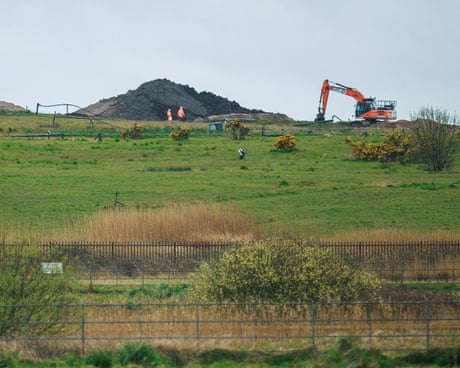
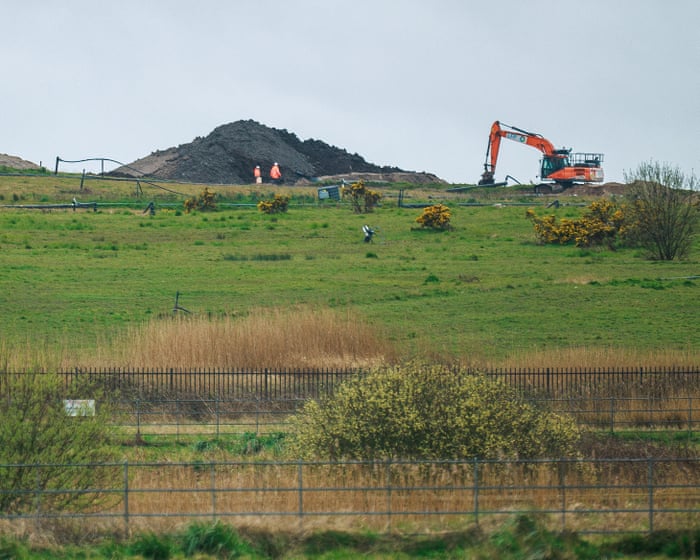
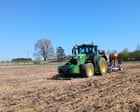
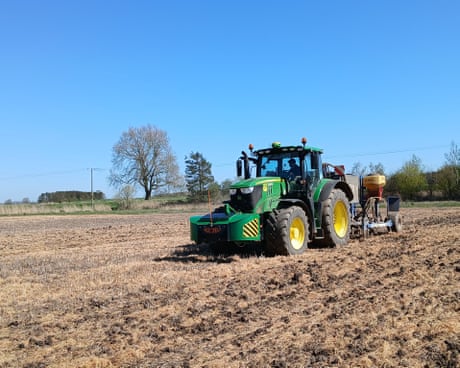
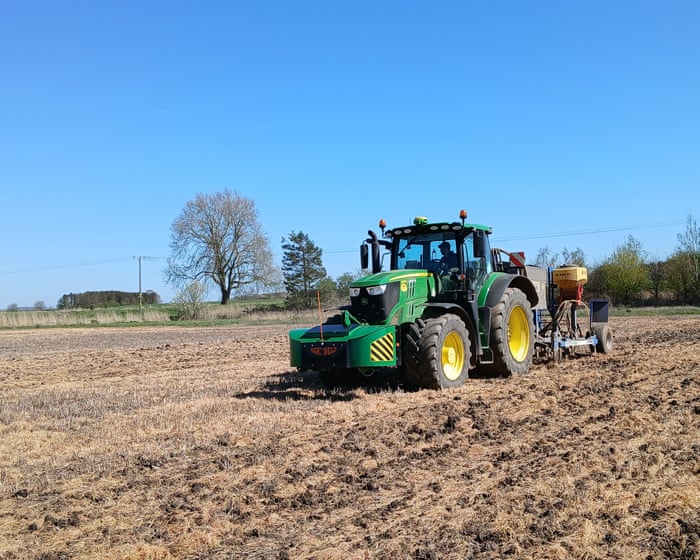
Spring has sprung, and with warming soils we start planting our more delicate crops such as peas. With the chatter of skylarks in the background, we slowly drill our way across this 15-hectare field using a three-metre precision drill that carefully places the seed. Six weeks ago, this would have cost £7.50 per hectare on fuel, now it’s £15 per hectare – a severe shock to the farm’s finances.
It’s not often that an arable farmer’s mind is so focused on global events, but our fuel use tops 50,000 litres a year and the Middle East conflict is having profound consequences. Thankfully, we’re partly protected. Over the last seven or eight years, we have transitioned to a low-disturbance approach to establishing crops, disturbing the top inch only. This means less tractor use and healthier soil – a big priority here. Fertiliser prices are also a worry. Common practice is to buy a year’s worth every June, but prices are skyrocketing, and there’s no UK production any more to help us out.
Continue reading...Read More